360 Waves Tool Kit: Brush, Durag, Pomade and More
Half the "wave kits" on sale are padding. Here is the short list of tools that actually do something for your pattern — and the order to buy them in.
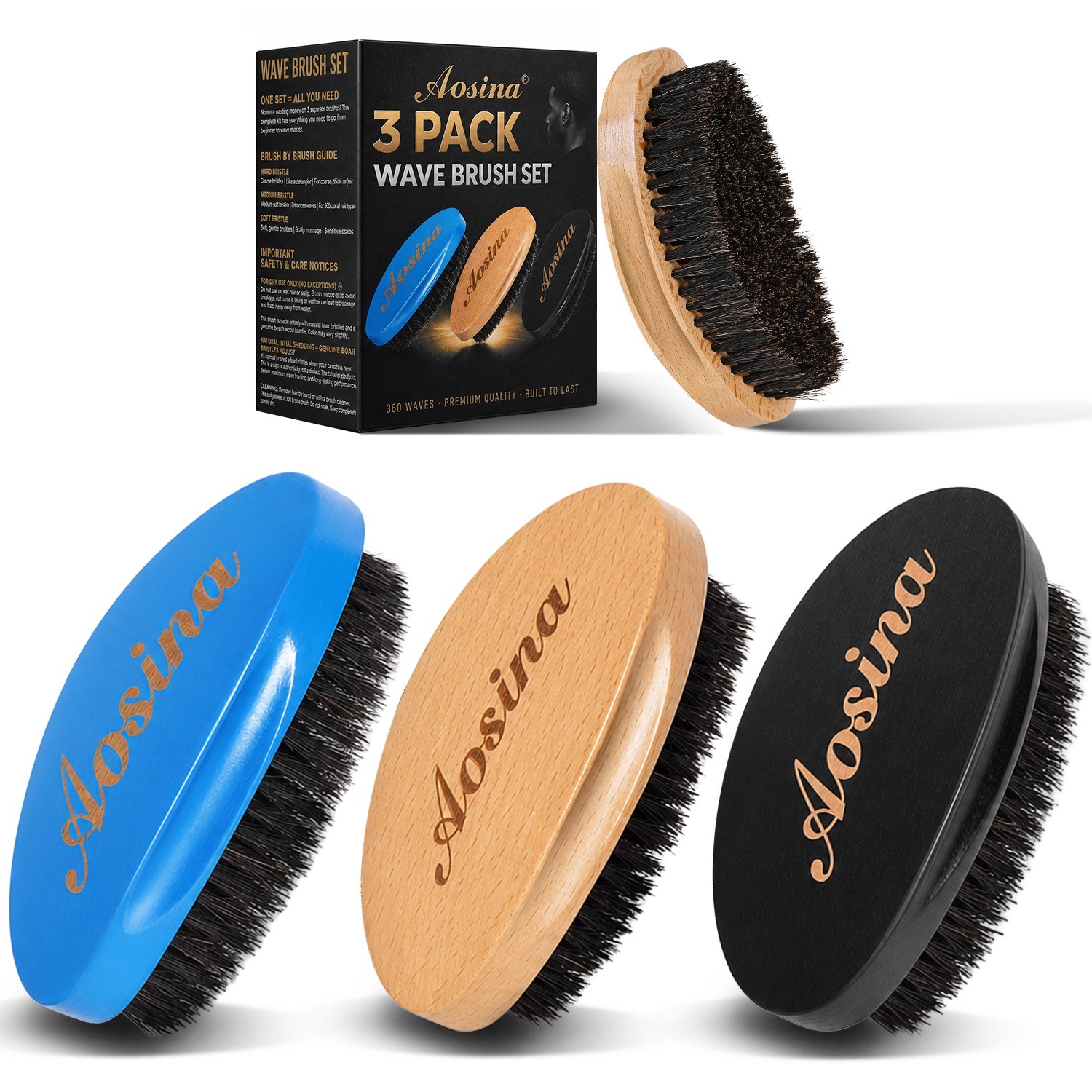
The short answer: only one tool in a wave routine actually trains the pattern — the brush. Everything else either supports it (moisture, compression, wash day) or is optional. A realistic kit is shorter than most shops would have you believe: a brush that matches your hair length, a durag or wave cap, a moisturizer, a mild shampoo and conditioner, a wide-tooth comb and a spray bottle.
Buying a bundle that includes three products you will never use is not a better deal. It is the same money spent on things that do not touch your pattern.
What you actually need
| Tool | What it does | Priority |
|---|---|---|
| Wave brush | Trains the hair into a consistent direction | Essential — nothing replaces it |
| Durag or wave cap | Holds the direction while the hair sets | Essential — the step most people skip |
| Moisturizer / leave-in | Keeps hair flexible so it bends instead of breaking | Essential |
| Mild shampoo + conditioner | Keeps the scalp and hair clean without stripping them | Essential on wash days |
| Wide-tooth comb | Detangles before brushing | Very useful |
| Spray bottle | Damps the hair for a session without soaking it | Very useful |
| Pomade, grease or wax | Adds hold and shine short-term | Optional |
| Hair sponge | Works a pattern on very short hair between cuts | Optional |
| Brush cleaner or comb pick | Removes hair and product from the bristles | Optional but cheap |
The brush is the only tool that trains the pattern
Everything else in this article supports the brush. Moisture makes the hair able to bend; compression holds the bend after you leave; washing keeps product from building up. None of those creates direction on its own.
That is why firmness is the decision that matters most. Match the brush to your hair length today:
- **Fresh cut, first one to two weeks:** soft bristles for comfortable contact.
- **Once the hair grows out:** medium hard, the working brush for most routines.
- **Long, thick or dense growth:** hard, firm nylon bristles for heavier passes.
- **If your length changes between cuts:** a three-brush set covers the whole cycle instead of shopping mid-growth.
Buy the AOSINA 3-Pack Wave Brush Set (Soft, Medium Hard & Hard) on Amazon
Compare the AOSINA brush set on our product page
Moisture: the second most important purchase
Dry hair does not bend and stay bent — it snaps or springs back. A moisturizer or leave-in that keeps the hair soft and pliable will do more for your timeline than any upgrade to your brush.
What to look for:
- **Something light enough to use most days.** A heavy product used daily builds up and leaves hair greasy, which makes bristles slide.
- **Something that absorbs rather than sits on top.** If your hair feels coated an hour later, it is not the right one for daily use.
- **A short ingredient list you can actually read.** You are looking for moisture, not a list of claims on the front.
You do not need a different product for every day of the week. One reliable moisturizer plus a good conditioner on wash days covers most routines.
Compression: durag or wave cap
This is the step people skip, and it is the reason progress stalls even with daily brushing. Compression keeps hair in the direction you brushed while it dries and sets.
- **Durag:** holds hair flatter and tighter, generally better for training a pattern and for overnight.
- **Wave cap:** quicker to put on, less compression, useful for short sessions or daywear.
- **Wait until the hair is nearly dry** before you wrap up for the night, so you are setting a shape rather than trapping moisture.
If you can only add one inexpensive thing to your routine, add this one.
Wash day: shampoo and conditioner
Wash day matters because product buildup weighs hair down and interferes with how bristles grip. It also matters because over-washing strips the hair and forces you to start moisturizing from zero.
- **Wash on a schedule, not compulsively.** Two or three times a week, less often for drier hair.
- **Use a mild shampoo** and focus on the scalp.
- **Always condition.** Conditioner is what replaces what shampoo removes.
- **Detangle with a wide-tooth comb before you brush.** Wet, tangled hair plus a brush is how breakage happens.
Pomade, grease and wax
These are hold products, not training products. They can make a pattern look sharper for a few hours and can help hair lie flatter while it sets, which makes them genuinely useful on days when you want the pattern to read clearly.
What they cannot do: create a pattern that is not there, or make up for skipped brushing. Use them lightly, and wash them out regularly — a waxy buildup makes every brush you own less effective.
The small things that are worth having
- A wide-tooth comb for detangling before brushing.
- A spray bottle so you damp the hair precisely instead of soaking it.
- A pick or a small brush comb to clear hair out of your brush bristles. A clogged brush cannot make good contact.
- A second durag, so one can be in the wash without you skipping compression.
What you can skip
- Kit bundles with products you will not use. Buy the pieces you need.
- Multiple moisturizers, greases and pomades at once. One of each is plenty to start.
- Expensive combs and accessories. They do not affect how your hair takes a pattern.
- Anything marketed as creating waves on its own. Only the brush trains direction, and only consistency makes it hold.
Build it in this order
If you are starting from nothing and want to spend in the order that affects your pattern the most:
1. A brush matched to your hair length. Soft for a fresh cut, medium hard for the main stretch.
2. A durag or wave cap. Cheapest high-return purchase in the routine.
3. A moisturizer you will actually use most days.
4. Shampoo and conditioner for wash day.
5. Pomade or wax if you want extra hold for specific occasions.
6. A hard brush later, if your hair grows long and dense enough that medium hard stops making contact.
Buy the AOSINA Soft Wave Brush on Amazon
Buy the AOSINA Medium Hard Wave Brush on Amazon
Buy the AOSINA Hard Wave Brush on Amazon
Frequently asked questions
What do I actually need to start 360 waves?
A brush that matches your hair length, something for compression (a durag or wave cap), a moisturizer, and shampoo and conditioner for wash days. A wide-tooth comb and a spray bottle make the routine easier. Everything else is optional.
Do I need a wave brush kit or can I buy items separately?
Buying separately is often better, because kits frequently include products you will not use. Buy the brush first, then add compression and moisture.
Is pomade necessary for waves?
No. Pomade adds short-term hold and shine, but it does not create a pattern. Skipped brushing and skipped compression do far more damage to progress than a missing pomade.
What is better, a durag or a wave cap?
A durag generally gives more compression and is the better choice for overnight setting. A wave cap is quicker and more comfortable for short sessions or daywear. Many people keep both.
How often should I wash my hair while growing waves?
Around two or three times a week for most people, less often if your hair is dry. Over-washing strips the hair and sets your moisturizing back, so match the frequency to how your hair feels rather than a fixed rule.
Do expensive wave brushes work better?
Price tends to buy handle material and bristle durability, not better results. Firmness matched to your hair length is what your hair responds to, so the correct affordable brush beats a mismatched expensive one.
Where to go next
How to Brush 360 Waves: Pattern, Angles and Direction — how to use the tools once you have them.
Best Wave Brush: How to Choose One for Your Hair — pick the brush before you buy anything else.
Do You Need a Wave Brush Set? — when one brush is enough and when a set makes sense.