 Wave Troubleshooting
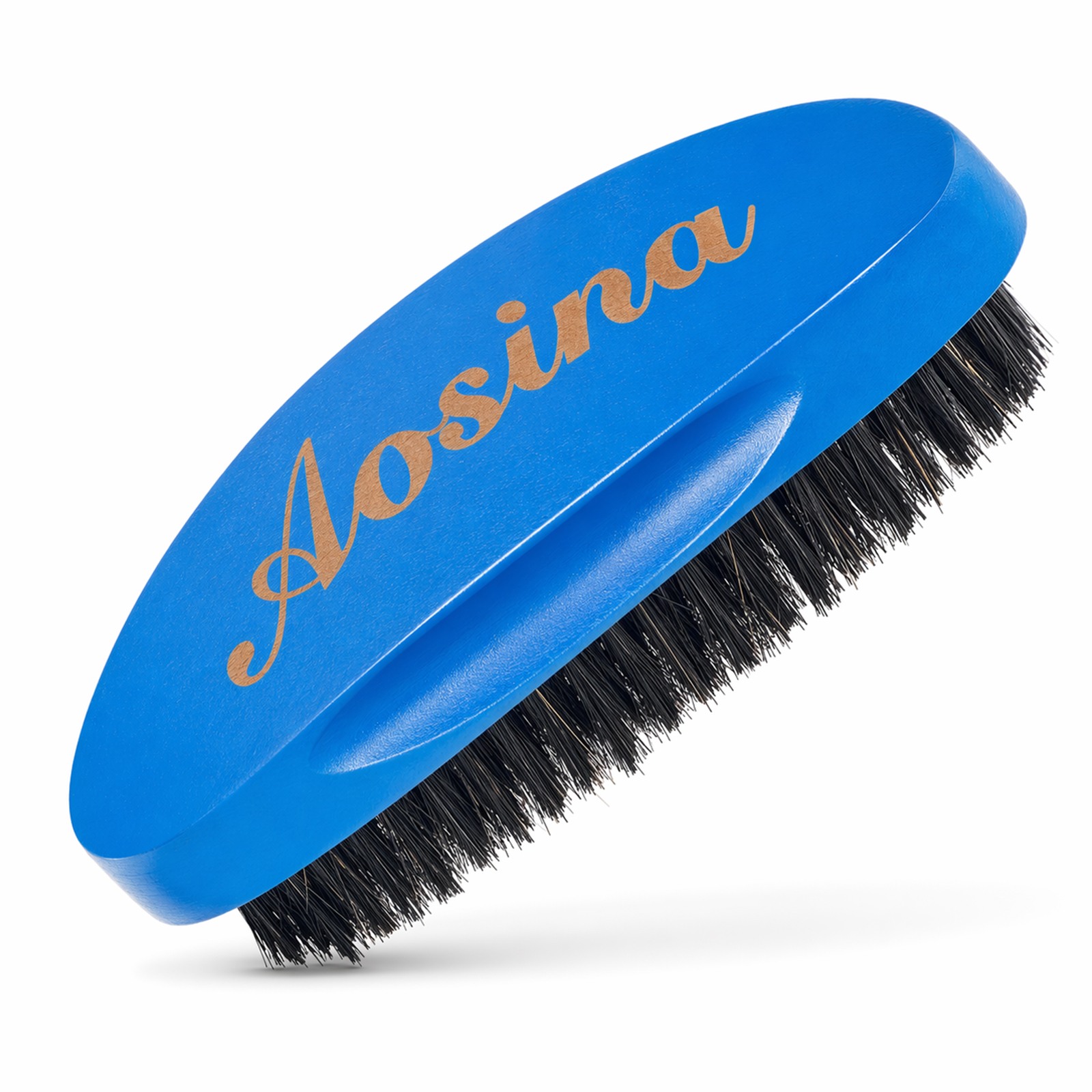
The crown is where hair direction changes inside one brush width, so normal strokes skip it or fight it. How to find your whirl, the stroke pattern that lays it down, and where to stop.
Read article →BRUSH BASICSA curved body and a flat body put pressure on your scalp in different ways. Where each shape helps, where it fights you, and the four checks that tell you in two weeks.
Read article → BRUSH CARE
Remove loose hair first, keep the wooden handle out of standing water, and let the brush dry in moving air. Avoid soaking or unconfirmed cleaning treatments.
Read article →BRUSH BASICSRows describe how wide a band of hair one stroke covers, nothing more. Who a 7-row brush suits, who a 9-row suits, and the four checks that tell you which one your head and hands actually want.
Read article → WOLFING
The middle weeks of a wolf are where it gets built or lost. What changes in week 5, when moving up a firmness actually makes sense, the right way to add pressure, and the three questions to ask at the week-8 checkpoint.
Read article →WOLFINGWolfing only works if the pattern is being trained while the hair grows. Here is what each of the first four weeks should look like, which brush fits which week, and the four questions to ask at the week-4 checkpoint.
Read article →BRUSH CAREA new brush does not need a ritual. It needs one wash, short sessions and enough use for the tips to wear in. Here is what the first two weeks should look like, and what is normal by bristle type.
Read article →Wave TroubleshootingWorking on disconnected wave patterns? Inspect brushing angles, comb gently when needed and track your progress without chasing instant fixes.
Read article →Wave TroubleshootingTop waving but sides staying flat? Check haircut length, growth direction and brush contact before adding more pressure.
Read article →Wave TroubleshootingWaves looking puffy after a brush session? Check pressure, firmness, direction and finishing before changing your whole routine.
Read article →BRUSH COMPARISON · MEN’S GROOMINGCompare wave brushes, beard brushes and palm brushes by purpose, bristle material and firmness. Learn when one brush can serve both routines—and when separate tools make more sense.
Read article →HAIR TYPESStraight hair is the hardest texture to wave because there is no curl memory to work with. You can still train a pattern — it just leans on compression and moisture more than pull. Here is the honest routine.
Read article →