How Long Does It Take to Get 360 Waves?
Anyone promising waves in a week is selling something. Here is a realistic timeline by stage, the five things that actually decide how fast you get there, and why progress stalls.
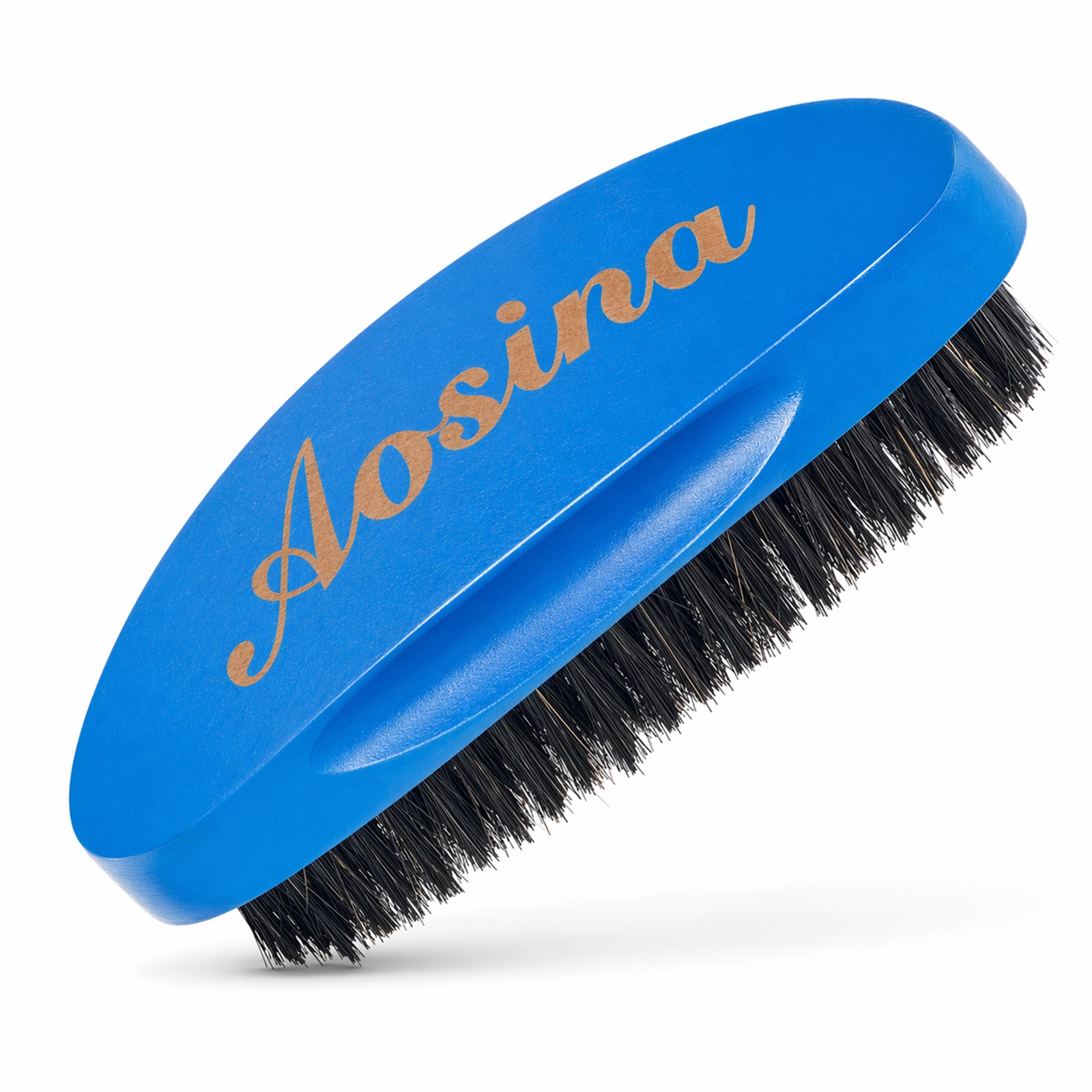
The short answer: most people see the first real signs of a pattern in 3 to 6 weeks of a consistent routine, and get waves they are genuinely happy with in 3 to 6 months. That range is wide because your timeline is not set by the brush — it is set by your hair type, how dense your hair is, how well you moisturize, whether you compress between sessions, and how consistent you are over months rather than days.
If someone tells you that you can have clean waves in a week, they are describing a haircut, not a hair pattern.
What "having waves" means at each stage
Progress is gradual, and it helps to know which stage you are actually in so you do not quit three weeks in.
| Timeframe | What is usually happening | What you will see |
|---|---|---|
| Week 1–2 | The hair is being trained, but it is still springing back | Almost nothing on the surface. This is the stage most people give up at. |
| Week 3–6 | Direction starts holding between sessions | Faint ripples when the hair is freshly brushed and compressed |
| Week 6–12 | The pattern begins to survive washing and sleeping | Ripples visible without brushing, strongest after a compression session |
| Month 3–6 | The pattern is established and deepens | Connected waves around the crown and outward, clearer as length increases |
| Month 6+ | Refinement, not starting over | Waves continue to line up better with consistent cuts and routine |
Two things reset the clock: a fresh cut and a long break. Both take you back toward the start, which is why consistency across months matters more than intensity in any single week.
The five things that actually decide your timeline
1. Hair type. Looser curl patterns tend to show a pattern sooner. Tightly coiled 4C hair needs more pull and more time — typically months rather than weeks.
2. Hair density. Dense hair holds a deeper pattern once it forms, but it takes longer to move. Denser hair is slower to start and better looking when it arrives.
3. Moisture. Hair that is dry does not bend and stay bent. A daily light moisturizing habit often does more for your timeline than any change of brush.
4. Compression. A durag or wave cap holds the direction while the hair sets. Without it, the hair returns toward its natural coil between sessions and you spend the next session rebuilding progress you already made.
5. Consistency. Ten minutes every day beats a two-hour session once a week, every time. The pattern is built by repetition of the same direction, and irregular sessions produce an irregular pattern.
Can you get 360 waves faster?
Faster than what, exactly? There is no shortcut that skips the mechanism. Waves are the result of hair being repeatedly bent in one direction and held there. What you can do is stop wasting time on things that slow you down:
- **Do not brush dry hair.** It causes breakage and gets you less useful bending for the same effort.
- **Do not brush harder to save time.** Pressure does not compress months into weeks; it mostly irritates the scalp.
- **Do not skip compression.** It is the cheapest, highest-return part of the routine.
- **Do not cut too often.** Every fresh cut resets the length the pattern needs to read.
- **Do not keep using a brush that has stopped working.** If your brush glides over the hair instead of moving it, you are training with the wrong firmness — see .
how to match firmness to hair length
Realistically, the fastest route is a routine you can actually keep for three months. That is the timeline you are working against, not seven days.
Why progress stalls (and what to check first)
If you have been at it for a month or two with nothing to show, check these in order:
1. Moisture. Is your hair soft and pliable, or dry and brittle? Dry hair is the most common blocker.
2. Compression. Are you wearing a durag or wave cap consistently, including overnight?
3. Firmness. Is your brush actually moving your hair, or sliding across it? You may have grown past the brush you started with.
4. Direction. Are you brushing in one consistent direction per section, or brushing in circles?
5. Consistency. Count the days you actually brushed last month. This one usually explains the rest.
If all five look right and you have been going for two months with dense 4C hair, you are probably not stalled — you are just inside the normal range for that texture.
How to tell it is working before the pattern shows
Early progress is easy to miss because it does not look like waves yet. Signs you are on track:
- The hair lies flatter after brushing than it did a month ago, even if you cannot see ripples.
- Freshly brushed hair holds its direction longer before springing back.
- Your hair feels softer and less brittle overall.
- The top of the head starts to look smoother in photos taken right after a session.
None of these is dramatic. Together they are what the first month of progress actually looks like.
What to buy for the timeline you are on
You do not need a collection. You need the right firmness for your hair length at each stage:
- **First week or two after a cut:** a soft brush, so the bristles make comfortable contact with short hair.
- **The long middle stretch where the training happens:** a medium hard brush.
- **Long, thick or dense growth:** a hard brush for heavier passes.
- **If you would rather buy once:** the three-brush set covers the entire cycle.
Buy the AOSINA Soft Wave Brush on Amazon
Buy the AOSINA Medium Hard Wave Brush on Amazon
Buy the AOSINA Hard Wave Brush on Amazon
Buy the AOSINA 3-Pack Wave Brush Set on Amazon
Frequently asked questions
How long does it take to get 360 waves?
Most people see the first real signs in 3 to 6 weeks and have waves they are happy with in 3 to 6 months. Denser, more tightly coiled hair takes longer; looser textures can be faster.
Can you get waves in a week?
No. Waves come from repeated directed brushing plus moisture and compression over time. A week of brushing may flatten the hair slightly, but it will not create a pattern. Anything that looks like waves in a week is a haircut or a fresh brush-out.
Why are my waves not showing yet?
Usually dryness, skipped compression, or a brush that has stopped making contact. Check moisture and durag use first, then check whether your brush is actually moving your hair.
Do waves take longer on 4C hair?
Often yes. 4C hair requires more pull to move and more moisture to stay flexible, so the usual range shifts toward 3 to 6 months for a visible pattern and longer for a deep one.
Does brushing longer each day help you get waves faster?
Not much. Consistency across days matters far more than duration in one session. Ten focused minutes daily is more effective than an occasional hour.
How often should I cut my hair while growing waves?
Often enough to keep it tidy, but remember every cut resets the length the pattern needs. Many people space cuts out and plan the first week after each cut as a soft-brush week.
Where to go next
How to Get 360 Waves: Step-by-Step Beginner's Guide — the full routine, start to finish.
Wave Brush Firmness: Soft vs Medium vs Hard Explained — how to check you are using the right brush.