Why Are My Waves Not Coming In on the Sides?
Top waving but sides staying flat? Check haircut length, growth direction and brush contact before adding more pressure.
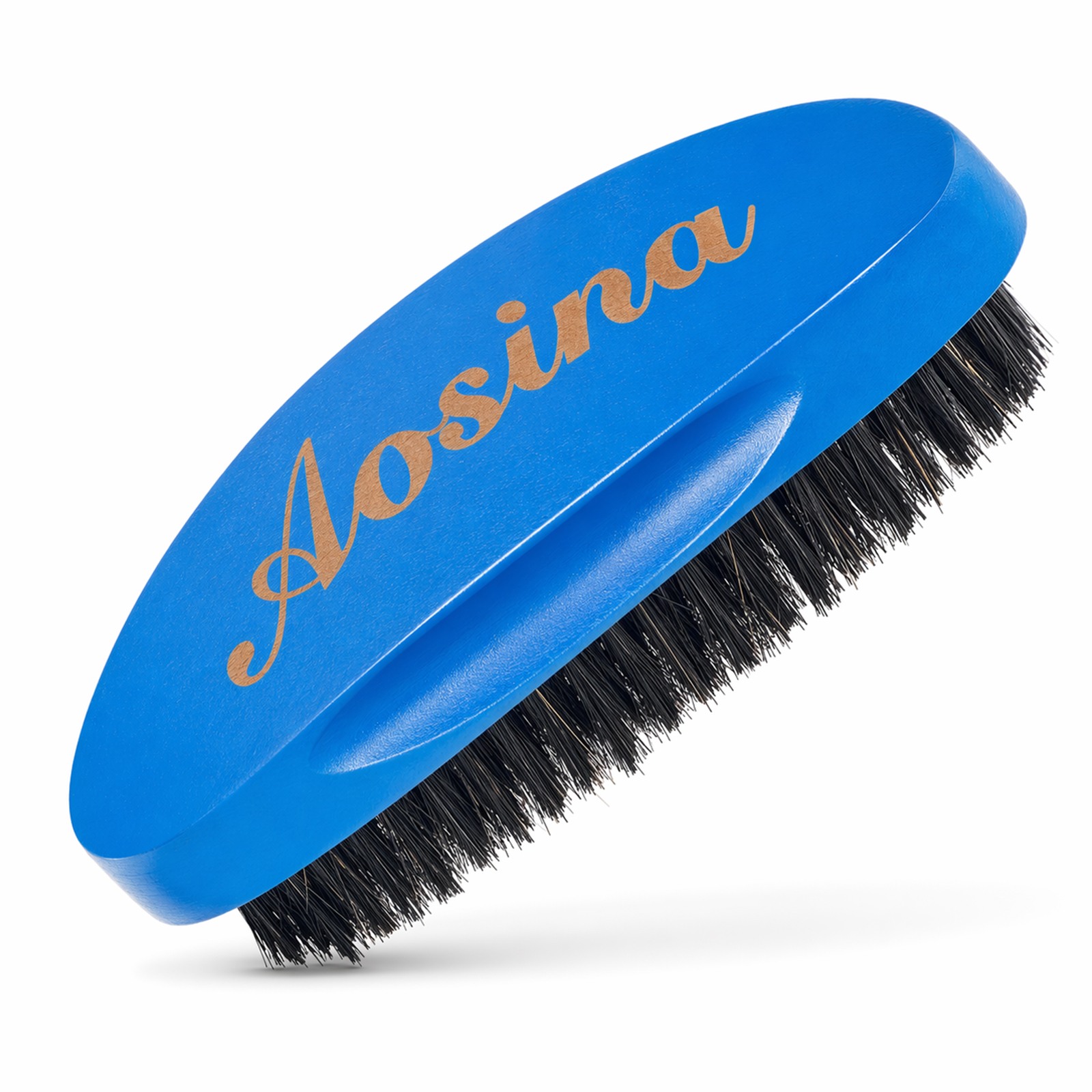
Compare the sides with the top carefully
If the top has visible waves but one side looks flat, do not assume you need a much harder brush. Your side hair may be shorter, your stroke direction may differ, or your hand position may make contact uneven.
Start by looking at your haircut. A fade or taper can leave the sides much shorter than the top. Hair that is too short to show the same visible pattern cannot be made longer by brushing harder. Tell your barber which areas you want to retain for waves before choosing your next cut.
Check direction from the crown
Use a mirror to see where each side connects to the crown. Do not copy an exact “straight down” or “forward” instruction without checking your own growth direction and chosen pattern. One side may need a different wrist position to achieve the same level of control.
Make a few slow strokes and check whether the bristles contact the whole section. Brushing the easy-to-reach top repeatedly while rushing the sides can make your routine less balanced. Give each area deliberate attention instead of automatically doubling the stroke count on the weaker side.
Choose comfort at the shortest area
If the sides were cut low, start gently. The AOSINA Soft Wave Brush is a lighter option for short-hair maintenance. If longer, thicker side hair needs more pull, compare the AOSINA Medium Hard Wave Brush. Choose the firmness that gives useful contact while staying comfortable.
Buy AOSINA Soft Wave Brush on Amazon
Buy AOSINA Medium Hard Wave Brush on Amazon
Track one side at a time
Take left, right and back photos in similar light once a week. Note whether a new haircut removed the length you were trying to keep. Progress does not have to look identical on both sides at the same time. If you remain unsure, have a wave-experienced barber assess the local length and direction before you buy more tools.
Read the guide to wave brushing angles and direction
Why waves can look frizzy after brushing
Related reading
Wave TroubleshootingCrown Brush Pattern: Why the Swirl Is the Last Section to Close
The crown is where hair direction changes inside one brush width, so normal strokes skip it or fight it. How to find your whirl, the stroke pattern that lays it down, and where to stop.
Read article →Wave TroubleshootingHow to Work on Forks in 360 Waves
Working on disconnected wave patterns? Inspect brushing angles, comb gently when needed and track your progress without chasing instant fixes.
Read article → Wave Troubleshooting
Why Do My Waves Look Frizzy After Brushing?
Waves looking puffy after a brush session? Check pressure, firmness, direction and finishing before changing your whole routine.
Read article →BRUSH BASICSCurved vs. Flat Wave Brush: Which Shape Actually Fits Your Head
A curved body and a flat body put pressure on your scalp in different ways. Where each shape helps, where it fights you, and the four checks that tell you in two weeks.
Read article →