Waves Fall Apart in Humidity: Why It Happens and What Helps
Moist air softens the set you brushed in and hair drifts back toward its natural curl. Why humidity frizz happens, the order that holds up before you go out, and how to reset when you get home.
What humidity actually does to a wave pattern
A wave pattern is hair that has been trained, over weeks of brushing, to lie in rows. Brushing sets that shape while the hair is damp, and it locks in as the hair dries under a durag. Humid air works in the opposite direction: dry hair absorbs moisture from the air, swells slightly, and starts drifting back toward the curl pattern it grew with. The rows do not disappear all at once. The crisp edges go fuzzy first, the shine dulls, and by the afternoon the pattern looks soft and undefined.
One honest note up front: no wave pattern is weatherproof. Hair is a fiber, not a style held in place with spray, and moisture in the air will always have some effect. The realistic goal is not a pattern that ignores humidity. It is a pattern that takes the hit slowly and comes back with one short reset instead of a full rebuild.
Why some humid days hit harder than others
- Humidity level. A muggy day changes how hair behaves within an hour or two; a dry day barely touches it. If you track weather at all, the dew point usually matches how your waves feel better than the percentage alone.
- Steam. Showers, cooking, and even a kettle put concentrated moisture into a small room. Steam counts, and it works faster than outdoor humidity.
- Your own heat and sweat. A commute, a gym session, or a job outdoors adds moisture from the inside, and sweat sits at the roots where brushing reaches last.
- How deep the set was. Waves that were brushed and compressed an hour before you left the house hold up better than a pattern you brushed ten minutes before walking out.
The set is finished while the hair dries
Brushing trains the hair; drying locks it in. If you leave the house with hair that is still even slightly damp, you are finishing the set in whatever air is outside, and on a humid day that air is working against you. Hair that dries under a durag in dry indoor air keeps the rows you brushed in. Hair that dries in wet outdoor air keeps whatever shape the moisture leaves behind.
How to Brush 360 Waves: Pattern, Angles and Direction
This is why the order matters more than any single product: dry first, then brush, then cover. If your mornings are usually rushed, moving the main brushing pass to after the hair is fully dry, not just towel-dried, is the one change worth trying before you buy anything.
Before you go out: an order that holds up better
- Dry completely first. Towel, then air, then a few minutes longer than feels necessary. Damp hair plus a durag in muggy weather is how a set half-fails before you reach the street.
- Brush your normal pattern. Full passes in your usual direction, same as any other day.
- Add a thin barrier if you use one. A light leave-in or pomade, applied the way the product's own directions describe, gives the hair a thin film that slows moisture getting in. More is not better here. A heavy coat can look greasy, attract lint, and hold moisture against the hair. This step works the same with any durag, wave cap or pomade you already own; it is about the order, not a specific brand.
- Cover it. A durag or wave cap until you are out the door keeps friction down and slows the moisture exchange.
- Leave a margin. If the day matters, brush and cover a little earlier than usual so the set has time to settle under the durag before you move.
None of this makes hair weatherproof. It buys time, and on most days time is what the pattern needs.
While you are out: what actually helps
Hands off is the biggest one. Every touch moves moisture and oil from your fingers into the set, and absent-minded rubbing fuzzes the surface faster than the weather alone. If you catch yourself checking the pattern every hour, that checking is part of the problem.
Do not re-brush dry, frizzed hair in the middle of the day. Brushing hair that has puffed up in humid air does not re-set it. Dry friction on a swollen pattern mostly spreads the fuzz and adds to the irritation. If the pattern is visibly loosening, pressing a cap down over it for a while does more good than a pocket brush session in the wind.
Expectations matter here too. A deep, well-established pattern survives humid days visibly better than a fresh one. If you are early in training, a rough humid day is not a verdict on your progress. It is a day to keep the brushing habit and let the look be whatever it is until evening.
When you get home: the recovery order
- Do not dry-brush the frizz first. Same reason as mid-day: dry friction on swollen hair adds fuzz on top of fuzz.
- Reset with a little water. Lightly dampen the hair with a spray bottle or damp hands, not a soaking, re-brush the pattern, and cover it with a durag while it dries again.
- If it is wash day anyway, just wash and re-set from the top. A badly frizzed day is a reasonable excuse to move wash day up.
- Give it a night. Most of the visual recovery happens overnight under the durag, not in the ten minutes before dinner.
This is the same routine as hair that looks frizzy right after a brushing session, and the causes overlap more than they differ:
Waves Frizzy After Brushing: Causes and Fixes
Why the brush matters more on wet-air days
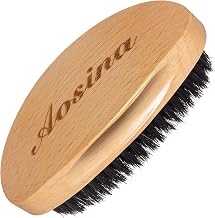
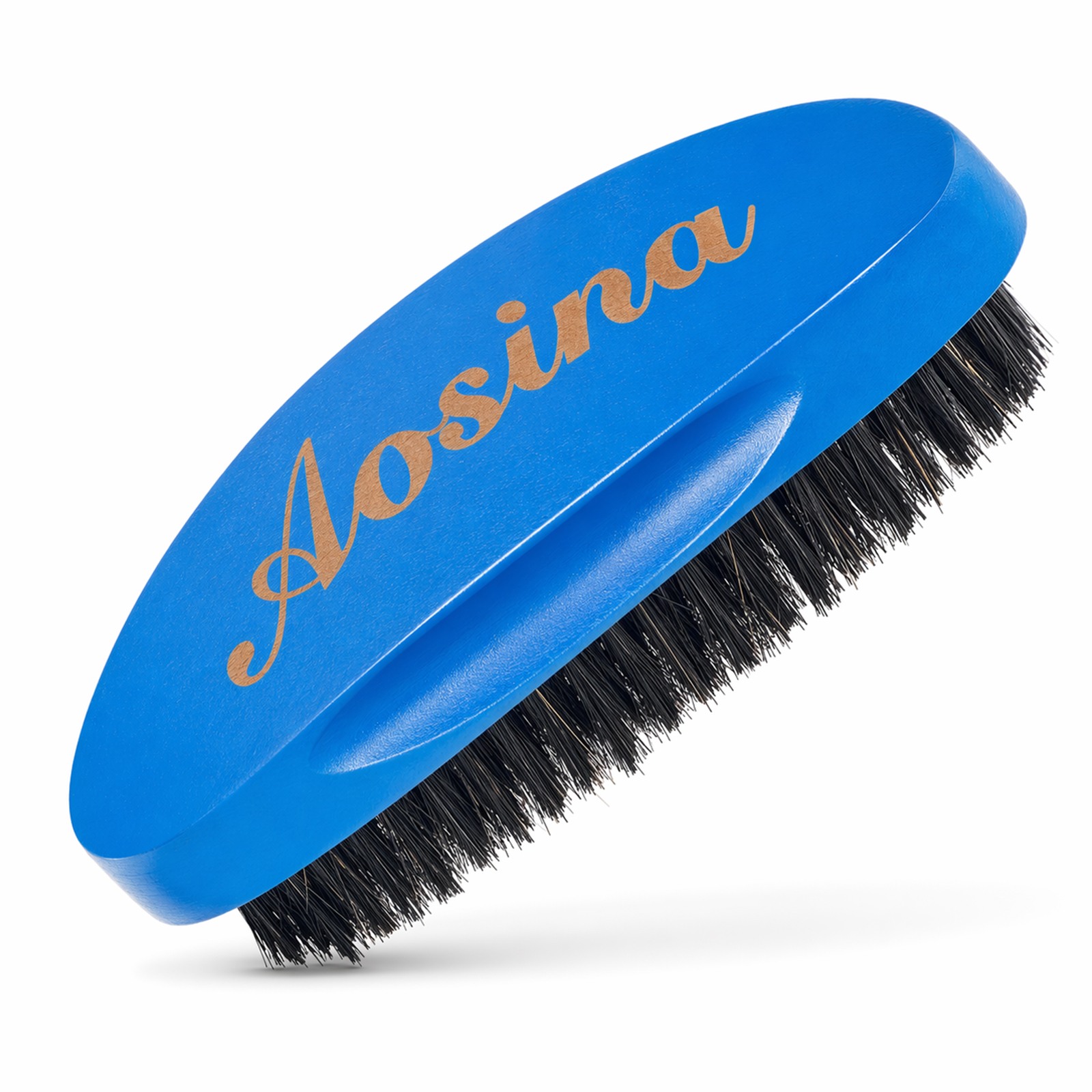
Resetting with a little water is soft-brush work. The AOSINA Soft Wave Brush is 100% pure boar bristle, which lays hair down gently, and it is the right tool when the scalp is already a bit aggravated from heat and sweat. On a reset day, pressure is not the missing ingredient; a soft brush re-trains slightly damp hair with light passes.
AOSINA Soft Wave Brush (100% pure boar bristles)
The firmer brushes in the line have their place. The Medium Hard, a boar and nylon blend, carries the main training sessions as hair grows in. But the humid-day reset is not where they shine. Firm bristles on already-frictioned, moisture-swollen hair is how sessions start to hurt.
One care note for this weather: humidity is hard on the brush too. Wash it more often in muggy weeks and always let it dry bristle-down, out of the bag or drawer. A brush packed away damp grows a musty smell and the bristles clump, and a clumped brush makes frizz worse the next time you use it.
How to Clean a Wooden Handle Wave Brush (and Dry It Right)
When the frizz is not the weather
- Buildup. Product layered on product and never fully washed out holds moisture against the hair and reads as humidity frizz. If the fuzz shows up on dry days too, buildup is the first suspect.
- A worn-out brush. Bristles that have lost their grip stop laying hair down, and the difference shows up worst on humid days, when every pass has to work harder.
- Judging the wrong section. The crown and the area right around it always look looser than the front. Comparing a humid-day crown to a front that has been brushed twice as long will always disappoint.
- A fresh haircut. After a cut, the pattern is shorter and the surface looks fuzzier for a week or two regardless of weather.
When to Replace Your Wave Brush: The Honest Signs
Humidity frizz is a maintenance event, not a referendum on your progress. If the pattern comes back after a water reset and one night under a durag, nothing is wrong. The weather just won that day. Fix the order (dry, brush, cover), keep the reset gentle, and let the brush keep doing the slow work it was bought for.
Related reading
 Wave Troubleshooting
Crown Brush Pattern: Why the Swirl Is the Last Section to Close
The crown is where hair direction changes inside one brush width, so normal strokes skip it or fight it. How to find your whirl, the stroke pattern that lays it down, and where to stop.
Read article →Wave TroubleshootingHow to Work on Forks in 360 Waves
Working on disconnected wave patterns? Inspect brushing angles, comb gently when needed and track your progress without chasing instant fixes.
Read article →Wave TroubleshootingWhy Are My Waves Not Coming In on the Sides?
Top waving but sides staying flat? Check haircut length, growth direction and brush contact before adding more pressure.
Read article →Wave TroubleshootingWhy Do My Waves Look Frizzy After Brushing?
Waves looking puffy after a brush session? Check pressure, firmness, direction and finishing before changing your whole routine.
Read article →