What Wave Brush Should You Use After a Fresh Haircut?
After a short haircut, start with a soft wave brush and light pressure. Learn what to check for comfort and when a firmer brush may make sense.
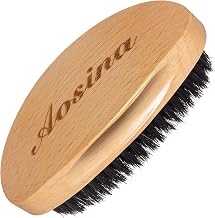
After a short haircut, a soft wave brush is usually the simplest starting point. Use a light touch and check how the bristles feel before settling into your routine. With less hair between the brush and your scalp, a brush you liked during wolfing can suddenly feel too firm.
Let your new length guide the choice
A fresh haircut does not mean the same length for everyone. A close cut and a light trim leave different amounts of hair. Start with how your brush feels on the hair that remains rather than choosing from a fixed guard-number rule.
The AOSINA Soft Wave Brush is an option for shorter hair and light smoothing. You do not need to use a harder brush just because it was part of your routine before the cut.
View the AOSINA Soft Wave Brush
A simple first brushing session
- Start on a small area with a light grip and minimal pressure.
- Follow your usual brushing angles with controlled strokes instead of scrubbing back and forth.
- Notice the feel before continuing around your head. Brushing should not hurt.
- Let the brush do the work; do not push down to recreate the pull you felt with longer hair.
- Pause when you need to check comfort. There is no required number of strokes or minutes for this first session.
If the brush feels scratchy or uncomfortable, stop instead of trying to “break in” your scalp. A softer feel or less pressure may suit your current cut better. Skip brushing over cuts or visibly irritated areas.
When should you consider a firmer brush?
Consider a change when your hair has grown and your soft brush mostly glides over the surface without the contact you want through it. First check your grip and angles; do not compensate by leaning into the brush.
AOSINA Medium Hard may be an option at that point. It is not the same as a standardized medium rating, and it is not a mandatory next step after a certain number of days. If Soft still does the job comfortably, you can keep it as your main brush.
Compare Soft, medium, Medium Hard and Hard
Keep the soft brush as your hair grows
Even if you eventually prefer a firmer brush for your main passes, Soft can stay useful for light surface smoothing. Changing its role makes more sense than treating it as something you have outgrown permanently.
Read about brush choices during wolfing
Where to buy the brushes for each stage
For the first week or two after a cut, a soft brush is the comfortable choice; medium hard is the step up once the hair has grown out. Both are on Amazon, along with the three-brush set.
Buy the AOSINA Soft Wave Brush on Amazon
Buy the AOSINA Medium Hard Wave Brush on Amazon
Buy the AOSINA 3-Pack Wave Brush Set on Amazon
Will a fresh cut erase the progress you already made?
A fresh cut can feel like a reset, but it does not wipe out what you built. The wave pattern you trained lives in how your hair lies and in the habits that keep it lying that way. A haircut trims length; it does not scrub that training out in one visit. What actually changes is visibility. Shorter hair shows less of the pattern, so waves that looked clear on Monday can look flat on the drive home from the barber.
That gap between what you feel and what you see is where most people overreact. Pressing harder with a firm brush right after a cut does not speed the pattern back up. It mostly adds irritation to skin that has just been taped down, brushed with talc, or wiped with alcohol-based products at the chair. The calmer route is the one described above: back to Soft, light pressure, and the same angles you already use.
Give it a realistic window. For many people the pattern starts showing again over days to a couple of weeks, though this varies with hair type, how short the cut was, and how consistent the routine is. Keeping your durag routine steady during that window matters more than any single brushing session, because overnight compression is what holds the pattern in place while the length grows back.
The sides are usually the first place the pattern seems to disappear and the last place it comes back, simply because that is where the cut sits shortest on most heads. If the sides stay quiet long after the top has returned, that has its own checklist.
Why waves fade on the sides and what to check first
One more note: if this haircut is also when you started using a brand-new brush, treat the first week as a breaking-in period for the bristles too. Stiff, unbroken bristles feel harsher on short hair than the same brush will feel two weeks later, which is one more reason to start gentle.
How to break in a new wave brush
Frequently asked questions
Can I use a hard brush after a fresh cut?
A very short cut may leave too little hair for that firmer feel to be comfortable. Start softer and assess your actual length. The AOSINA Hard brush uses nylon bristles; its material does not make it a default choice after a haircut.
Should I press harder if Soft feels too gentle?
No. Decide whether it is giving you useful contact without extra pressure. If it only smooths the surface, that may still be the right job for your current length. Reassess firmness when your hair and comfort call for it.
Do I need to buy a new brush after every haircut?
No. If you already own a suitable soft brush in good condition, you can use it again. Clean out loose hair and residue so it is ready for the shorter-hair stage.
Learn how to care for a wooden-handle wave brush
Related reading
Wave TroubleshootingWhy Do My Waves Look Frizzy After Brushing?
Waves looking puffy after a brush session? Check pressure, firmness, direction and finishing before changing your whole routine.
Read article →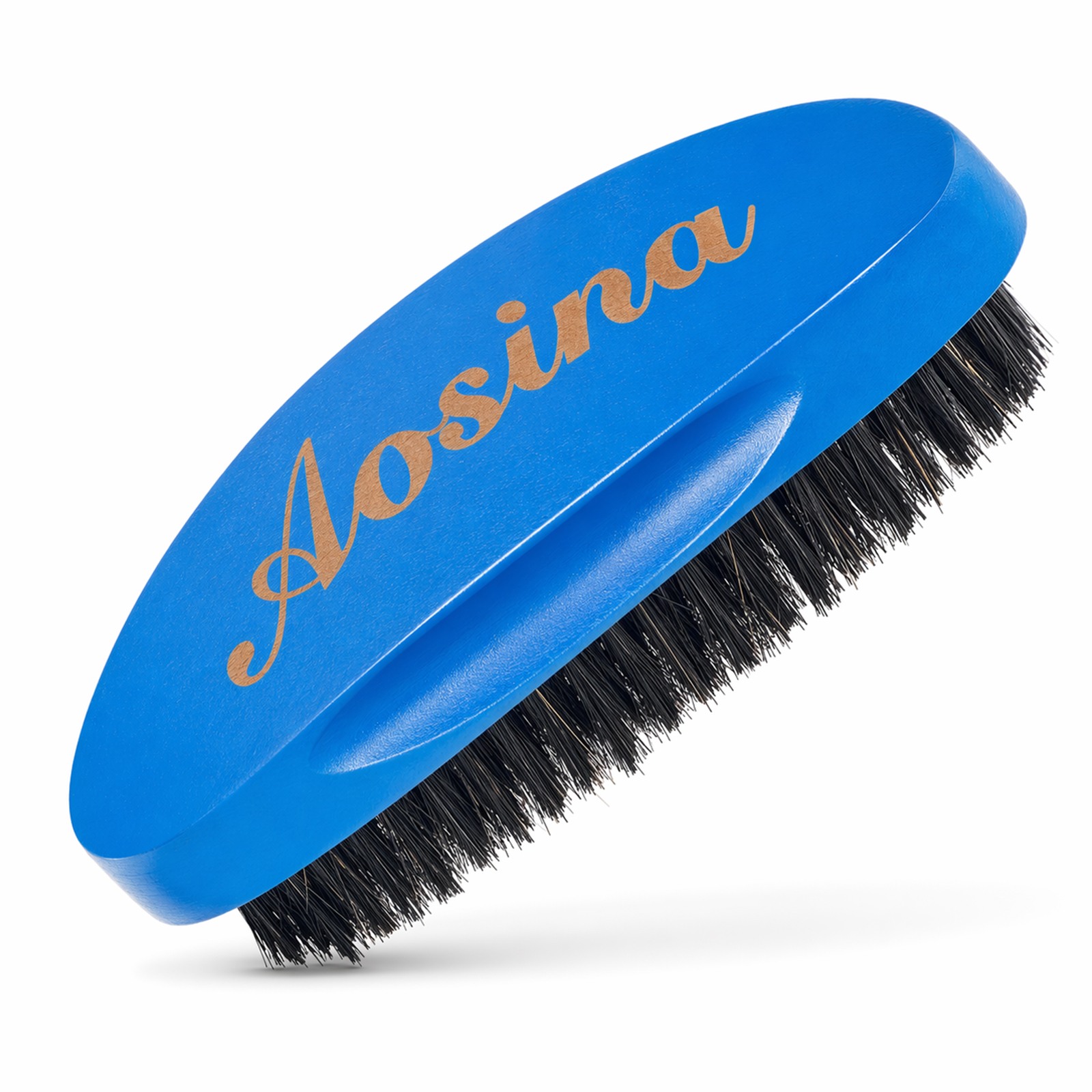 CHOOSING A BRUSH
What Is a Medium Hard Wave Brush? Definition and Where It Fits
Medium Hard names a specific construction: boar and nylon bristles blended in one head. This page defines it, explains why the middle ground exists, and shows who it fits.
Read article →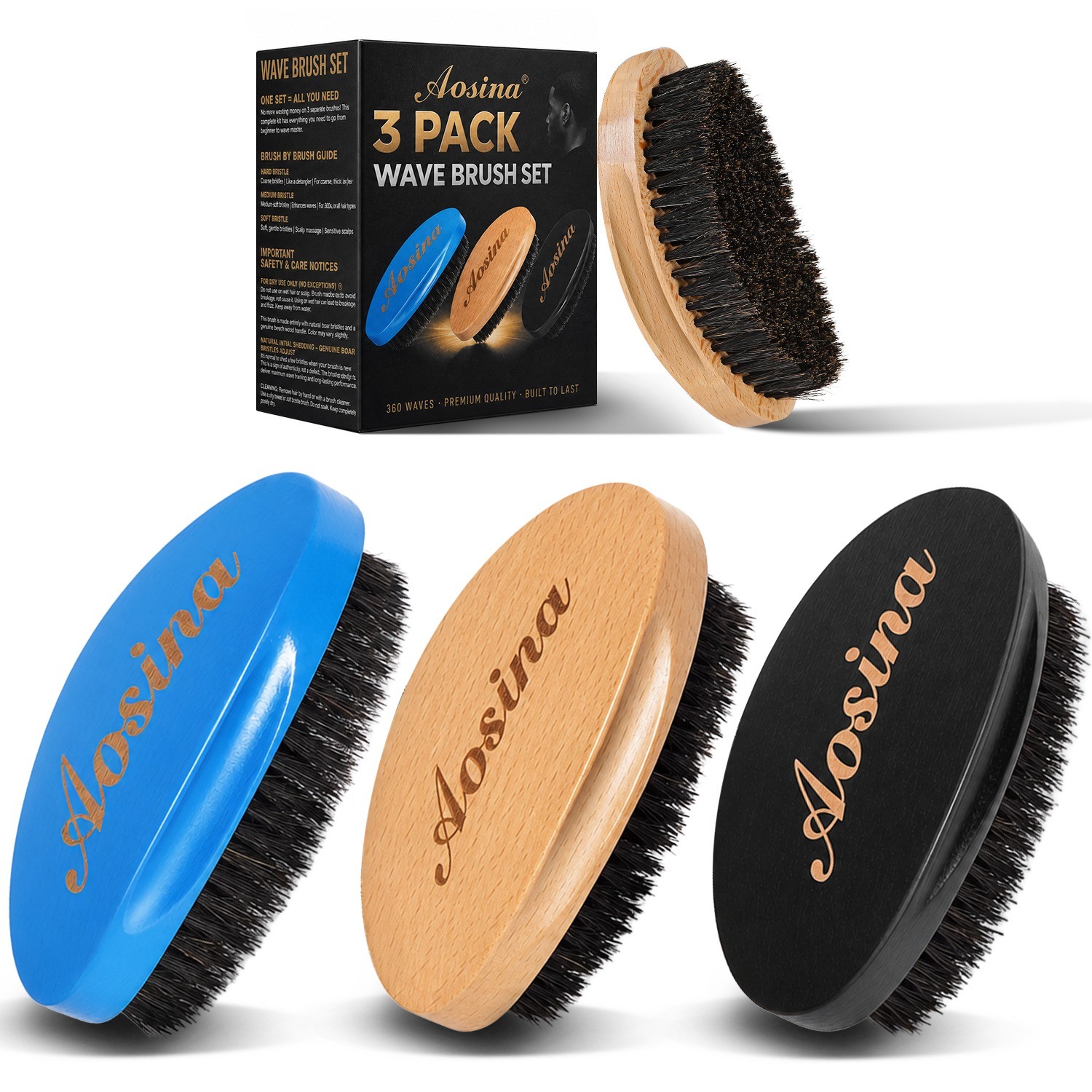 BUILD YOUR ROUTINE
3 Brush Wave Kit: What Each Brush Does and When to Use It
Each brush in a three-brush wave kit does a different job: Medium Hard carries the daily sessions, the pure boar Soft brush finishes and handles fresh cuts, and the stiff nylon Hard brush is built for wolfing and coarse hair.
Read article → WOLFING · COARSE HAIR
Best Brush for Wolfing: Which Firmness to Use and When to Move Up
Wolfing changes your hair, not just your routine. Here is which firmness carries each phase, when a hard brush earns its slot, and when to step back down.
Read article →