How to Break In a New Wave Brush: What the First Two Weeks Actually Look Like
A new brush does not need a ritual. It needs one wash, short sessions and enough use for the tips to wear in. Here is what the first two weeks should look like, and what is normal by bristle type.
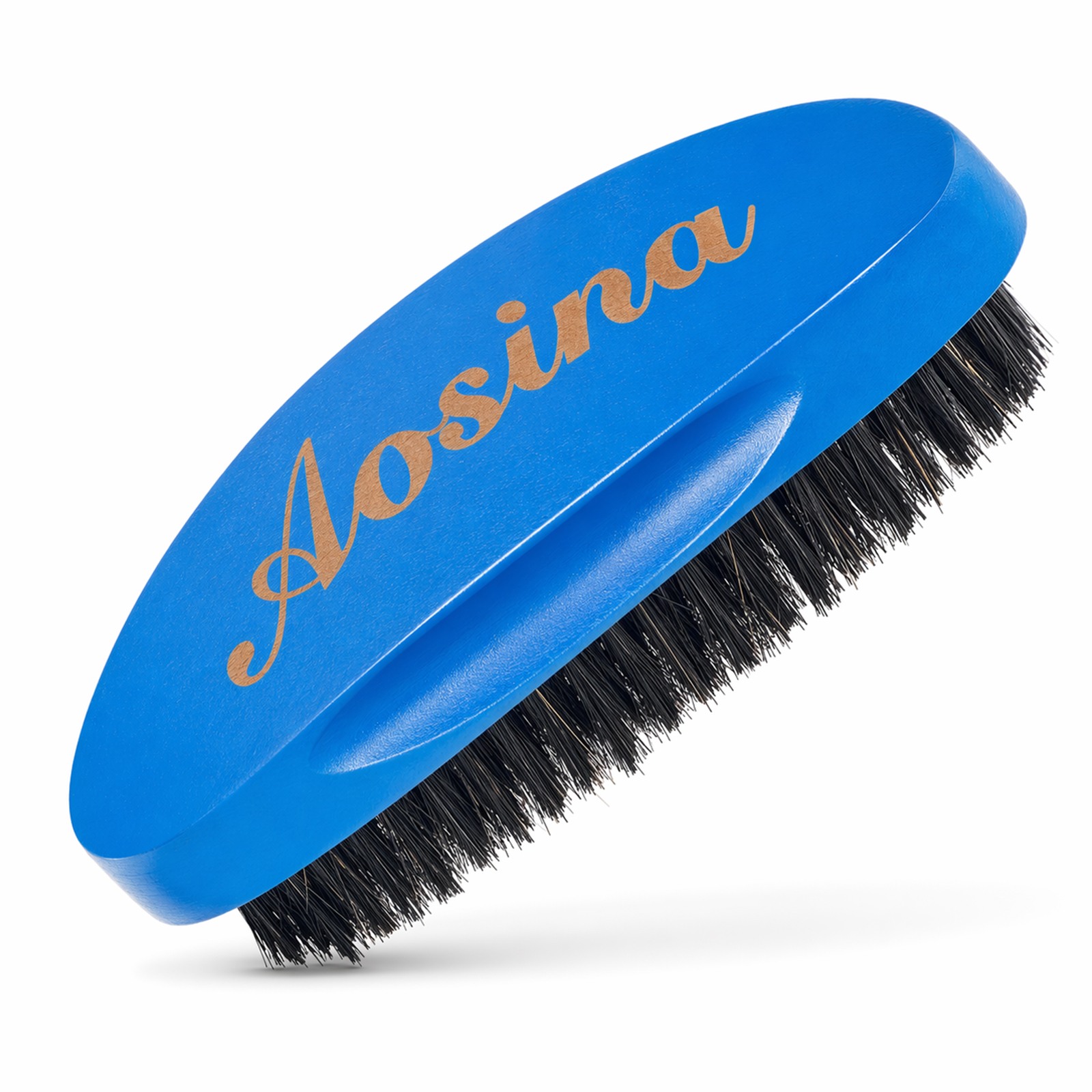
A new wave brush does not need a ritual. It needs three things: one proper wash, short sessions for the first week or two, and enough real use for the tips to wear in. Nothing you can buy shortens that curve. But a handful of common habits can take the edge off a brush before it ever gets comfortable, and most of them involve water.
Why a new brush feels scratchy
A brush does not feel soft because of the material name on the box. It feels soft because of what is happening at the very tip of each filament, where it meets your scalp. On a brand new brush, that tip has not had time to change.
- Boar bristles arrive trimmed. A natural filament wears into a softer, slightly split tip with use, which is why an old boar brush feels nothing like a new one of the same model.
- Nylon filaments are cut flat. Good ones are rounded off at the factory; cheaper ones are not, and a square-cut nylon tip is exactly what people mean when they say a brush scratches.
- Every new brush carries a little factory dust and oil on the filaments, which adds drag on the first few sessions.
- The head itself has not settled. It has not yet been pressed into the shape of your hand and your hairline.
None of that is a defect. It is just the difference between a brush that has been used for a month and one that has not, and the gap closes on its own if you let it.
How long it takes, by bristle type
The break-in period is set by the material, not by the brand or the price. Softer heads settle quickly because the filaments flex on their own; firmer heads take longer because the tip has to physically wear down before it stops feeling sharp.
| Firmness | Bristles | What actually changes | Realistic break-in | How to start |
|---|---|---|---|---|
| Soft | 100% pure boar | Tips soften and split; drag drops noticeably | 1 to 2 weeks of daily use | Full sessions from day one, light pressure |
| Medium Hard | Boar and nylon blend | Nylon tips round off while the boar does the polishing | 2 to 3 weeks | Short sessions, build to full length in week two |
| Hard | 100% nylon | Square tips round off; the head stops feeling sharp | 3 to 4 weeks | A few minutes at a time, on hair, never with scalp pressure |
Treat those ranges as the shape of the curve, not a schedule. Someone brushing twice a day on coarse hair will get there sooner than someone brushing three times a week on fine hair. What does not change is the order: tips first, then the head, then your hand.
Day one: wash it once, then let it dry
One wash before the first use is worth doing. It removes the factory dust and oil, and it gives you a clean baseline so you can tell later whether the brush is shedding because it is new or because something is wrong with it.
- Rinse under warm water, not hot.
- Put a drop of mild shampoo on the bristles and work it in with your fingertips. Do not scrub the brush against itself or against the sink.
- Rinse until the water runs clear.
- Shake out the excess water and stand it bristle-down on a towel to air dry, away from direct heat.
What not to do: do not soak it, do not boil it, and do not run conditioner through the bristles. Boiling is the most common piece of advice online for sterilising a brush, and it is the most expensive one to follow, because heat and prolonged water are what loosen the base and dull the filaments. Conditioner does the opposite of what people expect, too. Residue coats the filaments, they clump, and the brush feels stiffer afterwards, not softer.
Let it dry completely before the first session. A damp brush dragged through damp hair is how a wooden base starts to swell, and a swollen base never sits flat against your scalp again.
The first two weeks, step by step
The goal of the break-in period is not to brush more. It is to wear the tips in without giving yourself a sore scalp that ends the habit in week one, which is the most common way a good brush ends up in a drawer.
Days 1 to 3. Circle the brush on the palm of your hand or your forearm for a minute or two before each session. Two things happen at once: the tips get a head start on wearing in, and you find out how much pressure the brush delivers, because you feel it directly instead of through your hair.
Days 4 to 7. Move to the hair, but keep sessions short, around three to five minutes, and keep the pressure light. Two short sessions are better than one long one. You are teaching the pattern, not testing the brush.
Week 2. Work up to your normal session length. The one thing to hold onto is that the brush should lead the hair and pressure should follow it. If you are pressing to make the brush feel effective, that is not the brush breaking in, that is you compensating for it.
After every session. Knock the loose hair out against your palm, let the brush air dry bristle-up or on its side, and do not drop it straight into a bag or a drawer. A brush that lives damp stays stiff longer.
How to tell it is broken in
Three signs, and they tend to arrive in this order:
- The tips stop scratching. You feel the brush in your hair before you feel it on your scalp.
- You can move hair without pressing. Drag is still there, but it is doing the work instead of you.
- The head sits flat through the stroke. On a palm brush this matters more than on a handled brush, because your palm is the only thing holding the angle.
If a brush still scratches after a month of regular use, the problem is usually the finish on the tips rather than your technique, and more brushing will not fix it. That is a reason to change brushes, not a reason to brush harder.
Shedding: what is normal and what is not
A few loose filaments in the first week or two are normal. Every brush head holds some filaments that were never fully anchored, and they work their way out with use. The question is what the loss looks like over time.
- Normal: a few filaments in the sink or on the towel during the first two weeks, tapering off after that.
- Not normal: tufts coming out, a visible gap or bald patch in the head, or shedding that is still going after three weeks.
Do not pull at a filament that feels loose. If it is going to come out, it will come out on its own, and pulling tends to take the ones around it with it.
Habits that ruin a new brush
- Soaking or boiling it to soften the bristles.
- Running conditioner or oil through the filaments. It coats them, they clump, and the brush gets stiffer.
- Twenty minutes of hard pressure on day one. Your scalp gives up long before the brush does.
- Storing it damp in a bag or a drawer.
- Breaking in a hard brush on your scalp instead of on your hair.
- Pulling loose filaments instead of letting them fall.
If you bought a set, break them in one at a time
A set is not three brushes to rotate at random. The sequence that causes the least trouble is to get the softest head comfortable first, use it to establish the daily habit, and only then add the firmer one. Starting with the firmest brush is how people decide after four days that waving hurts.
The Soft is the easiest place to start and the one most people keep using for finishing passes long after they have moved on to something firmer. It is 100% pure boar, so the tips settle fastest of the three:
Buy the AOSINA Soft Wave Brush (100% boar bristle) on Amazon
The Medium Hard is the next step, and the one that needs a genuine two to three weeks. The blend gives it more pull than a boar head without the flat, sharp feel of an all-nylon one:
Buy the AOSINA Medium Hard Wave Brush (boar and nylon blend) on Amazon
If you are not sure which firmness your hair will accept, the three brushes are sold together, with the middle brush in the set named Medium Hard. Breaking them in one at a time also tells you which one your hair actually prefers:
Buy the AOSINA 3-Pack Wave Brush Set (Soft, Medium Hard & Hard) on Amazon
One caveat on the order: it is a comfort decision, not a results decision. A firmer brush does not build a pattern faster. It changes how much work each stroke does, and how long you can keep going, which is the thing that actually decides whether a routine survives.
Frequently asked questions
How long does it take to break in a wave brush?
Anywhere from one to four weeks depending on the bristle. A pure boar head usually feels different within two weeks. A blended head takes two to three weeks, and an all-nylon hard brush takes about three to four before the tips stop feeling sharp.
Can I use a new wave brush right away?
Yes, once it is dry. You do not have to wait for the break-in period to be over before using it, you just have to keep the sessions shorter and the pressure lighter than usual for the first week or so.
Why does my new boar brush scratch my scalp?
Because the tips are still trimmed flat. A boar filament develops a softer, split tip as it wears, and that has not happened yet on a new brush. Light pressure and a couple of weeks of use usually settle it. If it still scratches after a month, check the tips in daylight — uneven or sharp ends are a manufacturing issue, not something you can brush away.
Should I wash a new wave brush before the first use?
Yes, once, with warm water and a drop of mild shampoo, then air dry it completely. Skip soaking and boiling. Heat and long contact with water are what damage the base and the filaments, and neither is needed to clean a brush.
Do new wave brushes shed?
A few filaments in the first two weeks, yes. Every head has some that were never fully anchored. What you should not see is tufts coming out, a bald patch in the head, or shedding that continues past the first month.
Where to go next
When Should You Replace Your Wave Brush? Signs to Check First
How to Clean a Wave Brush with a Wooden Handle
Soft vs. Medium vs. Hard Wave Brushes: Which One Do You Need?
Boar Bristle vs Nylon Wave Brush: Which Do You Need?
Related reading
 BRUSH CARE
How to Clean a Wave Brush with a Wooden Handle
Remove loose hair first, keep the wooden handle out of standing water, and let the brush dry in moving air. Avoid soaking or unconfirmed cleaning treatments.
Read article →Wave TroubleshootingCrown Brush Pattern: Why the Swirl Is the Last Section to Close
The crown is where hair direction changes inside one brush width, so normal strokes skip it or fight it. How to find your whirl, the stroke pattern that lays it down, and where to stop.
Read article →BRUSH BASICSCurved vs. Flat Wave Brush: Which Shape Actually Fits Your Head
A curved body and a flat body put pressure on your scalp in different ways. Where each shape helps, where it fights you, and the four checks that tell you in two weeks.
Read article →BRUSH BASICS7-Row vs 9-Row Wave Brush: Which One Fits Your Head and Hair
Rows describe how wide a band of hair one stroke covers, nothing more. Who a 7-row brush suits, who a 9-row suits, and the four checks that tell you which one your head and hands actually want.
Read article →